Origins and early practice
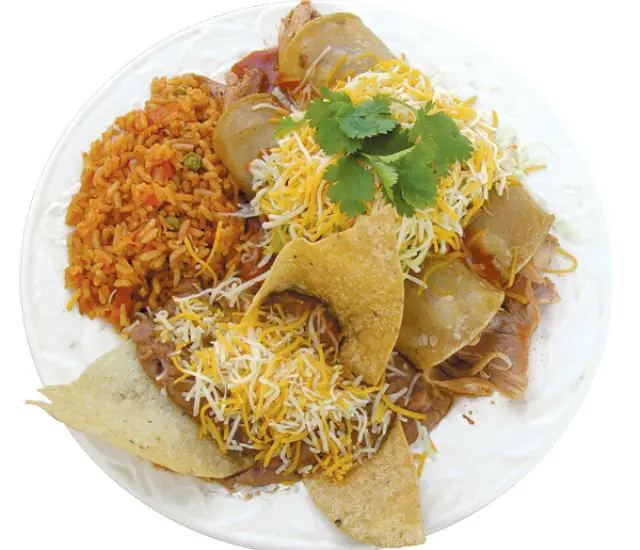
Long before the arrival of Europeans, native peoples in the Valley of Mexico and beyond were rolling soft corn masa into thin cakes and flavoring them. Tortillas were a daily staple, and cooks would add chopped or mashed chili beans, squash, and other staples to create quick handheld preparations. Early accounts describe tortillas folded around fillings and seasoned with fresh chile and herbs. These practices form the foundation of what later became known by the Spanish term that refers to chilies and the technique of dressing a tortilla with chile-based sauces.
Change and adaptation after contact
When ingredients from across the Atlantic arrived, new possibilities opened up. Herbs and spices from Europe, new livestock and dairy, and new cooking implements changed what could be stuffed into a tortilla and how sauces were made. Cheese became a common filling and topping. Cooking techniques such as baking in an oven joined the older practice of preparation on a comal or frying in fat. The combination of local corn and native chiles with new elements created a wider family of dishes that preserved the core idea of a sauced rolled tortilla.
Regional development
Across regions, cooks adapted enchilada ideas to local tastes. In the Valley of Mexico and Mexico City, a saucy folded tortilla often filled with chicken, cheese, or beans is common. In Puebla, the influence of complex sauces can be seen in versions that include mole. In the southern states, such as Oaxaca, local chiles and cooking fats give unique color and aroma. Coastal areas may use seafood fillings while northern kitchens emphasize roasted meats and hearty cheeses. Each version follows the same basic logic and yet tastes of place.
Modern life and global spread
In the twentieth century, enchiladas traveled with migrants and chefs. Restaurants in the United States and beyond introduced styles that adapted to available ingredients and local palates. The dish has been commercialized, packaged, and reinvented in home kitchens, yet it continues to return to traditional techniques in the hands of cooks seeking depth of flavor. Contemporary chefs often explore old recipes and regional methods, restoring heirloom chile masa and sauce recipes to the menu and home.
Today, enchiladas remain a living tradition. They are comfort food, festive fare, and a canvas for culinary creativity. Tasting them in different regions reveals the layered history of corn chile and the community that shaped them.
Visit us at:
Caliente Mexican Food
11815 Sorrento Valley Rd, San Diego, CA 92121