The California burrito is a hearty, handheld symbol of borderland innovation: a warm flour tortilla packed with grilled carne asada, melted cheese, fresh guacamole, pico de gallo or salsa, and distinctively French fries. It’s an indulgent mashup of Mexican and American influences that emerged as a regional specialty in the San Diego-Tijuana corridor and has since traveled well beyond Southern California.
Origins and Evolution
Precise origins are debated, as is common with popular street foods. What is clear is that the California burrito grew out of the vibrant Mexican American food scene in San Diego during the late 20th century. Traditional carne asada burritos, grilled steak, beans, cheese, and salsa were adapted by cooks who began adding French fries, a nod to accessible American fast-food textures and the local palate. The addition of fries turned the burrito into a filling, textural experience: crispy, starchy, and perfect for soaking up carne asada juices.
Cultural Context
The California burrito is a culinary expression of the borderlands: blending Mexican techniques and flavors with American ingredients and convenience. It reflects immigrant entrepreneurship and the creativity of taqueros who respond to local demand and taste. This fusion also underscores regional identity, surf culture, late-night eateries, and a workforce that valued filling, portable meals.
Typical Ingredients
- Flour tortilla (large, warmed)
- Carne asada (well-seasoned, grilled skirt or flank steak)
- French fries (fresh or room-temperature, often crisp on the outside)
- Guacamole or sliced avocado
- Melted cheese (cheddar or a Mexican blend)
- Pico de gallo or salsa; sometimes sour cream
Why the Fries?
Fries contribute both texture and structure. They add a satisfying crunch and starch that absorbs the meat’s juices, preventing the burrito from becoming soggy in an unpleasant way. This makes the burrito sturdier and more satisfying, especially as a late-night or post-surf meal.
Variations and Spread
As the California burrito gained popularity, variations appeared: vegetarian versions with grilled vegetables and fries, breakfast adaptations with eggs, and regional twists that add different salsas or proteins. Restaurants and chains have popularized it beyond San Diego, and food writers now list it among essential American regional foods that illustrate culinary hybridity.
Quick Tips for Making One at Home
- Choose a sturdy flour tortilla and warm it briefly so it’s pliable.
- Grill the carne asada well—char and resting time are important for flavor.
- Use fries that are crisp on the outside; toss them with a little salt right before assembling.
- Layer: meat first, cheese to melt, fries for texture, then guacamole and salsa to finish.
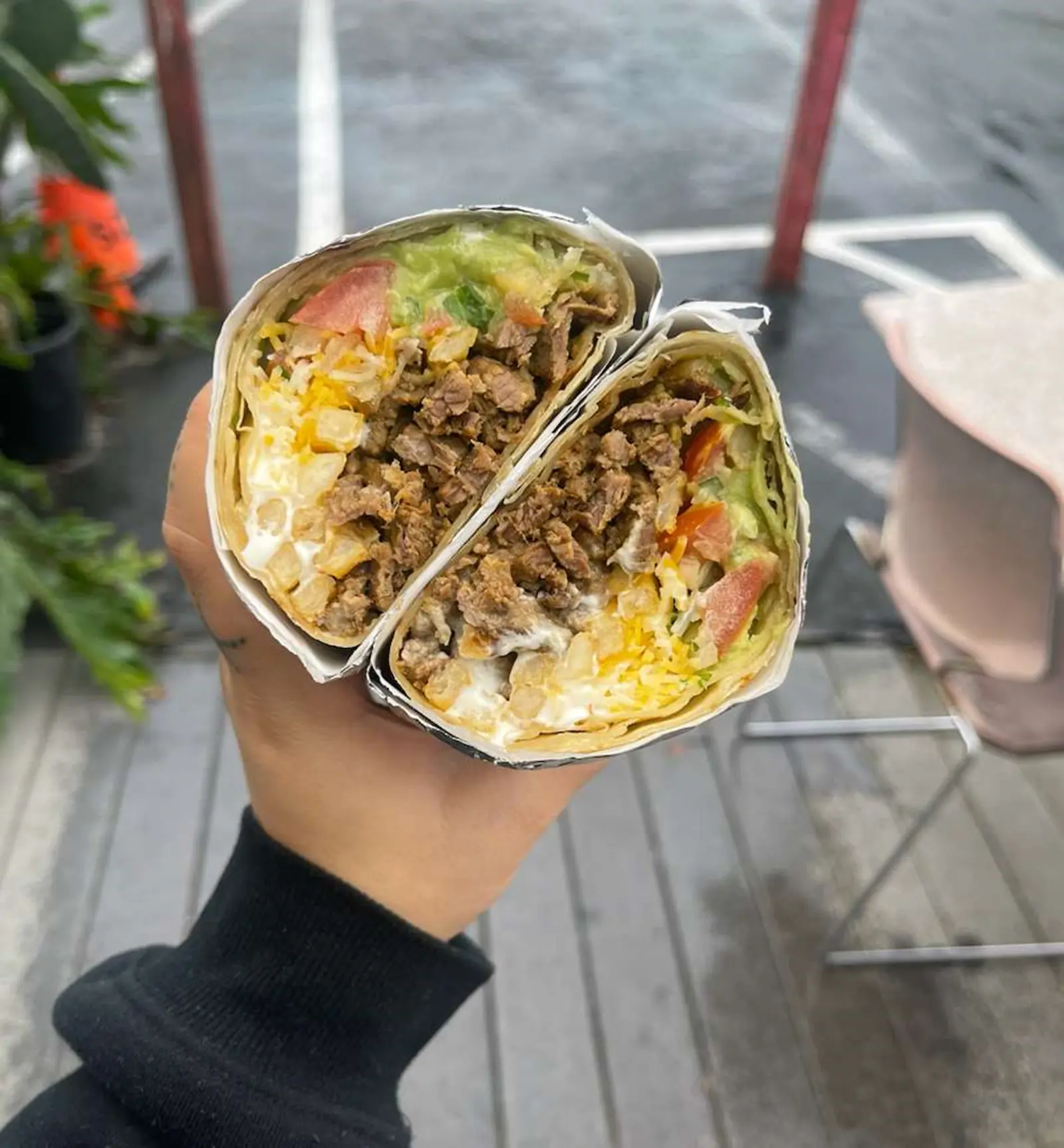
A California burrito is more than a meal; it’s a tasty story of cultural exchange, convenience, and regional pride.