If you’ve spent any time in San Diego, you know that Mexican food isn't just a category of cooking—it’s how we eat every day. From the busy offices in Sorrento Valley to the beach parking lots in Del Mar and the neighborhoods of Carmel Valley, the smell of grilled steak and warm corn is everywhere.
But even for locals, the menu can sometimes feel like it's repeating itself. You see the same list of meats—Carne Asada, Pollo Asado, Carnitas—under four or five different headings. If they all use the same ingredients, what actually makes them different? Why would you pick a torta over a burrito? Why are some tacos served on two tortillas instead of one?
At Mexican Food Carmel Valley, we believe that the more you know about how your food is made, the better it tastes. This guide breaks down the "Big Four" of Mexican comfort food: the taco, the burrito, the torta, and the tostada. We’ll look at how they started, how we make them, and which one you should grab depending on how hungry you are.
Mexican Street Food and the Foundation of Many Favorite Dishes
Many well-known Mexican foods originated as street food. Vendors created meals that were affordable, portable, and easy to eat while walking through busy city streets. Tortillas became the perfect base for these meals because they could hold a variety of fillings while keeping the dish simple and satisfying. Over time, these foods evolved and became staples in restaurants across Mexico and the United States. Southern California, especially San Diego, developed its own style of Mexican cuisine influenced by the close connection with Baja California. Today, tacos, burritos, tortas, and tostadas are among the most recognizable dishes in Mexican cuisine.
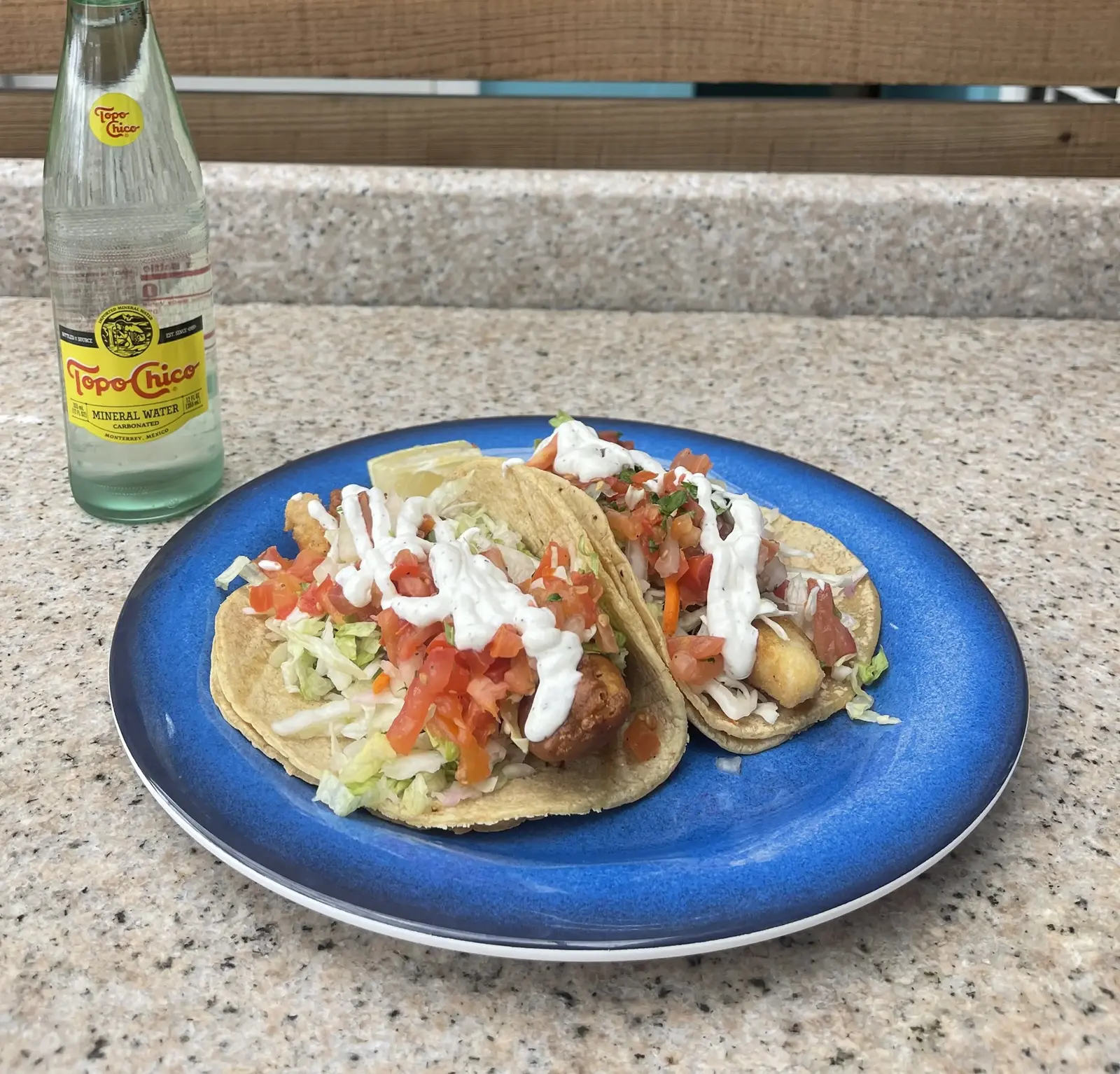
Tacos: Simple, Fresh, and Full of Flavor
Tacos are perhaps the most famous Mexican dish around the world. At their core, tacos are incredibly simple. A tortilla is filled with meat, seafood, or vegetables and topped with fresh ingredients that add flavor and texture. Traditional tacos usually use soft corn tortillas that are lightly warmed before serving. The tortilla folds around the filling, creating a small but flavorful bite that highlights the quality of the ingredients inside.
Many tacos feature grilled meats such as carne asada or chicken, while others include seafood like Baja-style fish or shrimp. Fresh toppings like salsa, cilantro, onions, lettuce, or cheese add brightness and balance to the dish. Because tacos are smaller than most other Mexican dishes, they are often ordered in pairs or groups. This allows diners to enjoy a variety of flavors in one meal.
Another reason tacos are so popular is their versatility. They can be light and simple or packed with bold ingredients depending on the style and preparation. Whether served soft or crunchy, tacos remain a timeless favorite that showcases the fresh flavors of Mexican cooking.

Burritos: A Hearty Meal Wrapped in a Tortilla
While tacos are known for their simplicity, burritos are known for their size and heartiness. Burritos use a large flour tortilla that wraps completely around the filling, creating a compact meal that can include multiple ingredients. In many parts of California, burritos have become one of the most popular Mexican dishes. They offer a satisfying combination of flavors and textures while remaining easy to eat on the go.
Inside a burrito, diners often find grilled meats such as carne asada or chicken paired with ingredients like beans, rice, cheese, salsa, guacamole, or sour cream. The tortilla is folded tightly so everything stays inside, creating a balanced bite in every mouthful. San Diego is particularly famous for its burrito culture. Many local restaurants focus on simple but high-quality ingredients rather than overloading the burrito with fillers. This approach highlights the flavor of the grilled meat while still providing a satisfying meal.
Breakfast burritos have also become a staple throughout Carmel Valley and nearby communities. These burritos combine eggs with ingredients like chorizo, ham, cheese, or potatoes to create a warm and filling way to start the day. The popularity of burritos comes from their convenience and generous portions. They are perfect for lunch breaks, casual dinners, or anytime someone wants a meal that feels both comforting and flavorful.
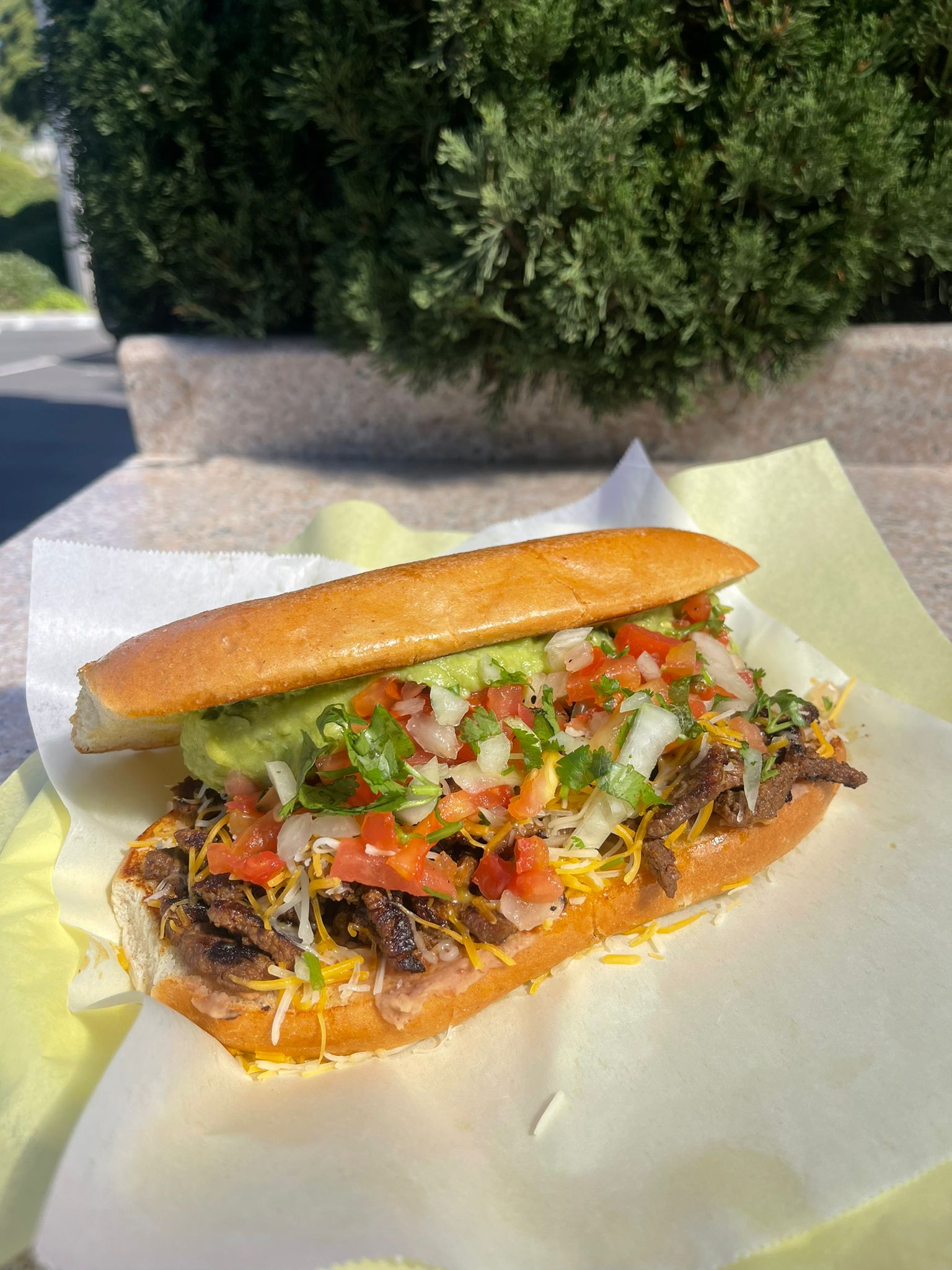
Tortas: The Mexican Sandwich
Tortas bring a slightly different experience to Mexican cuisine because they are served on bread rather than tortillas. A torta is essentially a Mexican-style sandwich made with a soft bread roll that is lightly toasted before being filled with savory ingredients. The bread used for tortas is typically a bolillo or telera roll, both of which have a crisp outer crust and a soft interior. This combination provides structure while still allowing the sandwich to absorb the flavors of the fillings.
Inside a torta, diners often find grilled meats like carne asada along with beans, cheese, avocado or guacamole, lettuce, and salsa. The result is a layered sandwich that blends the richness of the meat with fresh toppings and flavorful sauces. What makes tortas stand out is the texture created by the bread. The slightly crispy exterior contrasts with the soft fillings inside, delivering a satisfying bite that feels different from tacos or burritos. For people who enjoy sandwiches but want to explore Mexican cuisine, tortas offer a perfect introduction. They combine familiar sandwich elements with the bold flavors that define Mexican food.
Tostadas: Crunchy, Colorful, and Layered with Flavor
Tostadas provide yet another unique way to enjoy traditional Mexican ingredients. The word tostada means toasted, which refers to the crispy tortilla that forms the base of the dish. To create a tostada, a tortilla is fried or toasted until it becomes crunchy. Instead of folding or wrapping the tortilla like a taco or burrito, the toppings are layered on top.
Refried beans often serve as the first layer, followed by meat, shredded lettuce, cheese, salsa, and sometimes guacamole or sour cream. The result is a colorful and flavorful dish with a satisfying crunch in every bite. Because tostadas are open-faced, they showcase the ingredients beautifully. The textures also play an important role. The crispy tortilla contrasts with creamy beans and fresh vegetables, creating a balanced combination of flavors. Tostadas are often served alongside other dishes or enjoyed as part of a larger meal. They are lighter than burritos but still provide plenty of flavor and variety.
Comparing These Classic Mexican Dishes
Although tacos, burritos, tortas, and tostadas share similar ingredients, their preparation and presentation make each one unique. Tacos focus on simplicity and fresh toppings wrapped in a tortilla. Burritos provide a larger, more filling meal by wrapping multiple ingredients inside a flour tortilla. Tortas take the form of a sandwich, using toasted bread instead of tortillas. Tostadas deliver a crispy experience with ingredients layered on top of a crunchy tortilla.
These differences allow diners to enjoy Mexican cuisine in many different ways. Some dishes are light and easy to share, while others are designed to be a complete meal.
Mexican Food Culture in Carmel Valley
Carmel Valley and nearby areas like Del Mar, Sorrento Valley, Torrey Pines, and Torrey Hills have become well known for their appreciation of authentic Mexican cuisine. Local restaurants often focus on fresh preparation, generous portions, and traditional recipes that highlight bold flavors. Whether someone is stopping by for a quick lunch or gathering with friends for dinner, dishes like tacos, burritos, tortas, and tostadas remain among the most requested menu items. Their versatility makes them perfect for many occasions, from casual meals to satisfying takeout after a long day. The strong Mexican food culture throughout San Diego has helped these dishes remain favorites for both locals and visitors exploring the region’s vibrant dining scene.
Food trends come and go, but tacos, burritos, tortas, and tostadas continue to thrive because they are built on simple principles. Fresh ingredients, bold seasoning, and preparation methods that highlight natural flavors.